

Emotions are one of the most defining parts of being human. They color our experiences and influence nearly every decision we make. Throughout life, we feel an enormous range of emotions — joy, sadness, anger, fear, surprise, disgust, and countless blends of them. These feelings don’t arise in a vacuum. They’re shaped by our thoughts, behaviors, histories, relationships, and our culture. And they can be entirely perplexing. So, let’s start making sense of emotions.
At their core, emotions are adaptive tools. They alert us to what matters and help us act. But as helpful as they can be, emotions can also become overwhelming or confusing — especially when they show up too strongly or conflict with our values and goals. Understanding how emotions work and what influences them can make a tremendous difference in how we relate to them.
What Emotions Do for Us
Emotions serve as an internal feedback system that constantly gathers information about our surroundings and our needs. They try to help us know if something is safe, dangerous, rewarding, or unjust. This feedback helps shape our behavior, not in a simple cause-and-effect way, but through a dynamic process of learning.
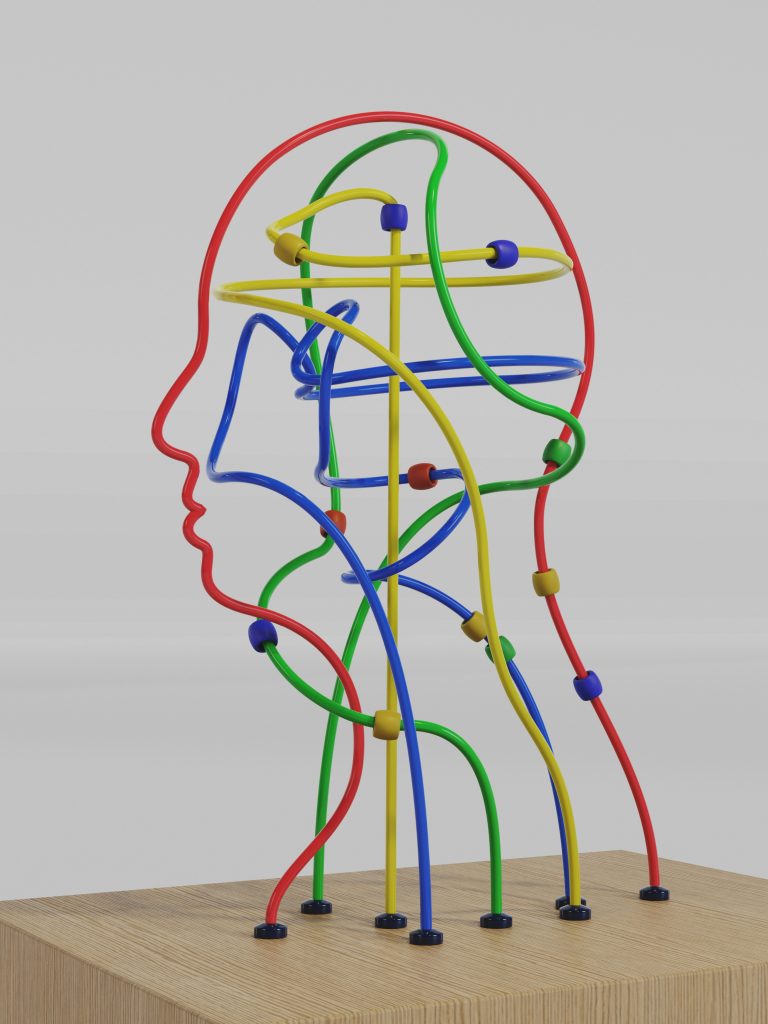
For example, fear can motivate us to protect ourselves, while joy reinforces behaviors that bring us closer to people or experiences we value. Over time, our emotional responses create a map of what feels good or bad, guiding our choices and forming patterns that influence how we live. In this way, emotions both respond to and help sculpt our behavior.
Culture also plays a major role in shaping how emotions are experienced and expressed. Some cultures place a high value on outward enthusiasm and excitement, while others emphasize calmness and harmony. These differences can even affect what kinds of emotions people seek out in daily life — whether they chase thrill and elation or peace and contentment. Media, family dynamics, and social expectations all reinforce what emotions are seen as “desirable,” teaching us how to interpret and display our inner states.
And then there’s the impact of trauma. When we experience something deeply distressing, our emotional system can become hypervigilant, responding to reminders of the past as if danger is still present. Traumatic experiences can alter how our brains process fear and safety, leaving emotions like anxiety, anger, or guilt more easily triggered. Over time, this can lead to patterns such as avoidance or intense reactions that seem to come out of nowhere.
In short, emotions are constantly shaped by the interplay of biology, experience, and environment. They’re part of a complex system that helps us navigate the world and learn from it.
When Emotions Become Challenging

Even though emotions are adaptive, they can become difficult when they start to take the lead rather than guide from the background. When emotions are too intense, too frequent, or too disconnected from our current reality, they interfere with daily life.
Sometimes emotions clash, for example, feeling both love and resentment toward the same person, which creates inner tension. Sometimes emotions get stuck in loops, like guilt feeding anxiety, anger masking sadness, or fear blocking curiosity. We might begin avoiding situations that could trigger uncomfortable feelings, only to find that avoidance makes the emotions stronger over time.
For people who’ve experienced trauma, emotional triggers can feel unpredictable and all-encompassing. The body reacts as though a past event is still happening, even when the present is safe. Similarly, cultural or familial expectations might teach us to suppress certain emotions, which can cause those feelings to resurface later in less manageable ways.
Learning to recognize emotions without judgment is the first step toward working with them rather than against them. When we can identify what we’re feeling and understand where it’s coming from we’re better able to respond wisely.
Three Core Skills for Working With Emotions

Understanding emotions is one thing; learning to work with them skillfully is another. These three core skills offer a framework, adapted from Emotional Efficacy Therapy, for relating to emotions in a balanced way.
Emotional Awareness – Learning to notice and name emotions as they arise, and understanding what they’re trying to communicate.
Emotion Surfing and Mindful Coping – Allowing emotions to move through naturally without trying to either suppress or amplify them. This involves meeting emotions with curiosity and compassion instead of judgment or avoidance and recognizing that feelings come and go like waves.
Values-Based Action – Making choices that align with what truly matters, even when emotions pull you in another direction. Acting from values rather than from the intensity of emotion helps you stay grounded and intentional in how you live.
Therapies That Help Us Work With Emotions
While everyone experiences emotions, many people have not learned how to work with them rather than against them. Fortunately, several therapies focus on helping people build a more compassionate, flexible relationship with their emotional world.
Emotion-Focused Individual Therapy (EFIT)
EFIT views emotion as the primary driver of human experience and change. In this approach, emotions are not obstacles to overcome but signals pointing to unmet needs or core values. By identifying, expressing, and transforming these emotional experiences in a safe therapeutic setting, clients often find greater resilience in their daily lives.
Dialectical Behavior Therapy (DBT)
DBT emphasizes finding balance — between acceptance and change, emotion and reason, self-compassion and accountability. It teaches practical skills for regulating intense emotions, improving relationships, and tolerating distress without resorting to avoidance or impulsive behavior. This balance helps people move from emotional chaos toward greater stability and self-understanding.
Compassion-Focused Therapy (CFT)
CFT helps people soften self-criticism and shame by cultivating an attitude of kindness toward themselves. Instead of trying to suppress painful emotions, clients learn to meet them with warmth and understanding — the same way they might comfort a friend. Over time, this compassionate stance helps regulate the nervous system, making difficult emotions easier to tolerate and respond to with care instead of avoidance.
Internal Family Systems (IFS)
IFS helps people understand their inner emotional world as a collection of “parts,” each with its own voice, feelings, and intentions. Instead of judging or silencing these parts, IFS encourages curiosity and compassion toward them. By developing a calm, centered “Self” that can listen and lead, clients learn to integrate conflicting emotions and create a greater sense of internal harmony.
Each of these therapies offers a different pathway toward emotional efficacy. The specific method may vary, but the goal is the same: to build a more balanced, compassionate relationship with the emotional life that shapes us all.
No responses yet